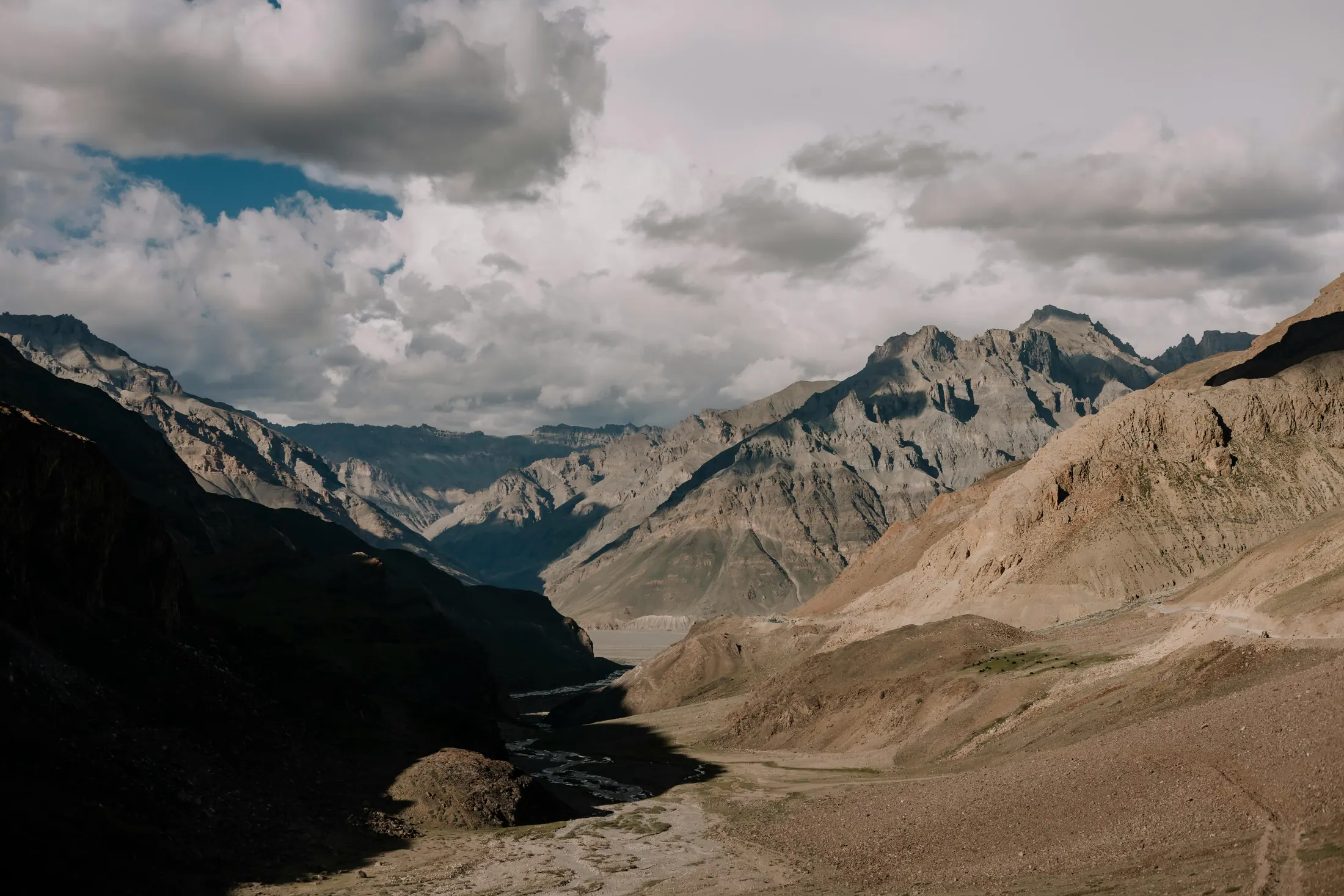
Think in days, not kilometres
A short-looking Himalayan drive can consume most of a day. Plan around road quality, acclimatisation stops and daylight rather than estimating travel time from distance alone.
A sample approach
Travellers often use the Shimla–Kinnaur approach to enter Spiti gradually, with stops subject to road and accommodation access. A circuit via Manali may be possible in the appropriate season but should never be assumed open.
Altitude and health
Spiti is high altitude. Increase elevation gradually where possible, stay hydrated and seek medical advice if you experience concerning symptoms. People with pre-existing conditions should discuss travel with a clinician.
Before departure
Confirm fuel, cash availability, connectivity and the latest official road notices. Carry warm clothing even in relatively mild months.
Plan your journey
Travel conditions, permits, prices and access can change. Confirm the latest information with official local sources before booking, and review your itinerary and inclusions carefully.
Updated November 2026 · Planning guide (not a live weather or road report)
Destination at a glance
How to sequence a Spiti road trip
A gradual route via Shimla, Kinnaur and Tabo gives travellers time to adjust before Kaza and higher villages. Use Kaza as a base rather than changing hotels nightly. Add Chandratal or the Manali return only during the appropriate open-road season.
Before confirming the plan, verify exactly what your trip includes: accommodation location, transfers, driver pickup point, meals, entry tickets, optional activities and cancellation conditions. A comfortable travel day is usually better than a checklist of attractions.
How to reach and plan the route
Two main road approaches are Shimla–Kinnaur–Tabo–Kaza and Manali–Lahaul–Kunzum–Kaza. The Shimla side generally gains height more gradually; Kunzum is seasonally closed, so a full circuit cannot be assumed.
Allow roughly 7–10 days for a thoughtful road trip, plus contingency time. Winter trips may be shorter in distance but more vulnerable to delays. Departure times should include traffic, food breaks and time to check in. Road travel in the mountains can change quickly after rain, snowfall or local restrictions; an international flight-and-transfer day needs the same realistic buffer.
Weather, seasons and best time to visit
Even summer evenings can be cold and dry; winter can be severely cold. High passes and road links are weather-dependent, with the Manali–Kaza connection commonly blocked for a substantial part of winter.
Important: These are typical seasonal patterns, not a forecast for your dates. Check the latest weather forecast, official travel advisories and local operator updates in the days before departure. Keep a flexible plan if your destination is affected by storms, heavy rain or snow.
What to pack: a practical checklist
Thermals, down or insulated jacket, gloves, warm hat, sun protection, lip balm, sturdy footwear, reusable water, power bank, medicines and any prescribed altitude guidance.
- Carry identification, booking confirmation, emergency contact information and offline copies of essential documents.
- Keep prescribed medication, a basic first-aid kit, personal toiletries and a charged phone or power bank accessible.
- Choose clothing for actual activity and elevation, not only for photographs; use layers so you can adjust during long travel days.
- For international trips, check passport validity, immigration rules, insurance and suitable power adapters. Requirements depend on nationality and travel dates.
Altitude, fitness and how strenuous is this trip?
Kaza is around 3,650 m and neighbouring villages and passes can be well over 4,000 m. Altitude acclimatisation is essential. The effort involved varies enormously between relaxed sightseeing, long mountain drives and sustained trekking. If you have not exercised regularly, begin with gentler activities and avoid assuming that travel with a group makes the route physically effortless.
High-altitude destinations deserve special attention: ascent rate, individual susceptibility and underlying health conditions matter. Allow for acclimatisation and avoid pushing through concerning symptoms. The published altitude is approximate and may vary between individual stops.
Who joins Trekker Monkey-style group departures?
Group trips can appeal to solo travellers, friends, couples and small groups who enjoy shared experiences while keeping some personal time. Actual ages, genders, occupations and group composition depend on each departure; no particular mix is guaranteed. Before booking, ask the team about the expected group size, room-sharing policy, pickup city, guide or coordinator arrangement and fitness level.
A considerate group keeps to meeting times, respects personal space and accommodates different walking paces where the itinerary allows. If you prefer a private room, have accessibility needs or want a quieter trip, clarify that before paying rather than assuming every departure has the same atmosphere.
Safety essentials and responsible travel
Acclimatise gradually; avoid rushing to high villages on arrival. Severe headache, vomiting, confusion or breathlessness at rest require prompt medical evaluation and descent planning. Confirm road status from district authorities.
Do
- Share your emergency contact and any relevant travel limitations with the trip coordinator.
- Follow authorised routes, opening hours and local weather advice.
- Carry drinking water and pace activities according to the slowest safe group member.
- Confirm inclusions, permits and restrictions directly before travel.
Don't
- Ignore road-closure notices or push forward during poor visibility.
- Leave litter, play loud music in sensitive areas or photograph people without consent.
- Split from the group without informing the trip coordinator.
- Assume an optional activity or specific weather condition is guaranteed.
Local highlights and respectful experiences
Key and Tabo monasteries and villages like Langza, Hikkim and Komic are living communities, not sets for photographs. Ask before entering or photographing religious spaces.
Travelling responsibly means using local services where practical, respecting religious and cultural expectations, and leaving time for unplanned discoveries. Review the day's pace with your group rather than treating every stop as mandatory.
Official planning reference: Himachal Pradesh Tourism — Spiti Valley. Check current restrictions and road status separately.
Travel information is for planning and may change. Trip availability, inclusions, dates and pricing must be confirmed before booking; this guide does not guarantee current road access or weather.